Season 1 · Episode 001 ·
Battle of Alaboi (1669)
The Battle of Alaboi, 1669: a heavy Ahom defeat two years before Saraighat, and the lesson Lachit Borphukan drew from it.
 Play the video on YouTube
The video plays from YouTube when you press play.
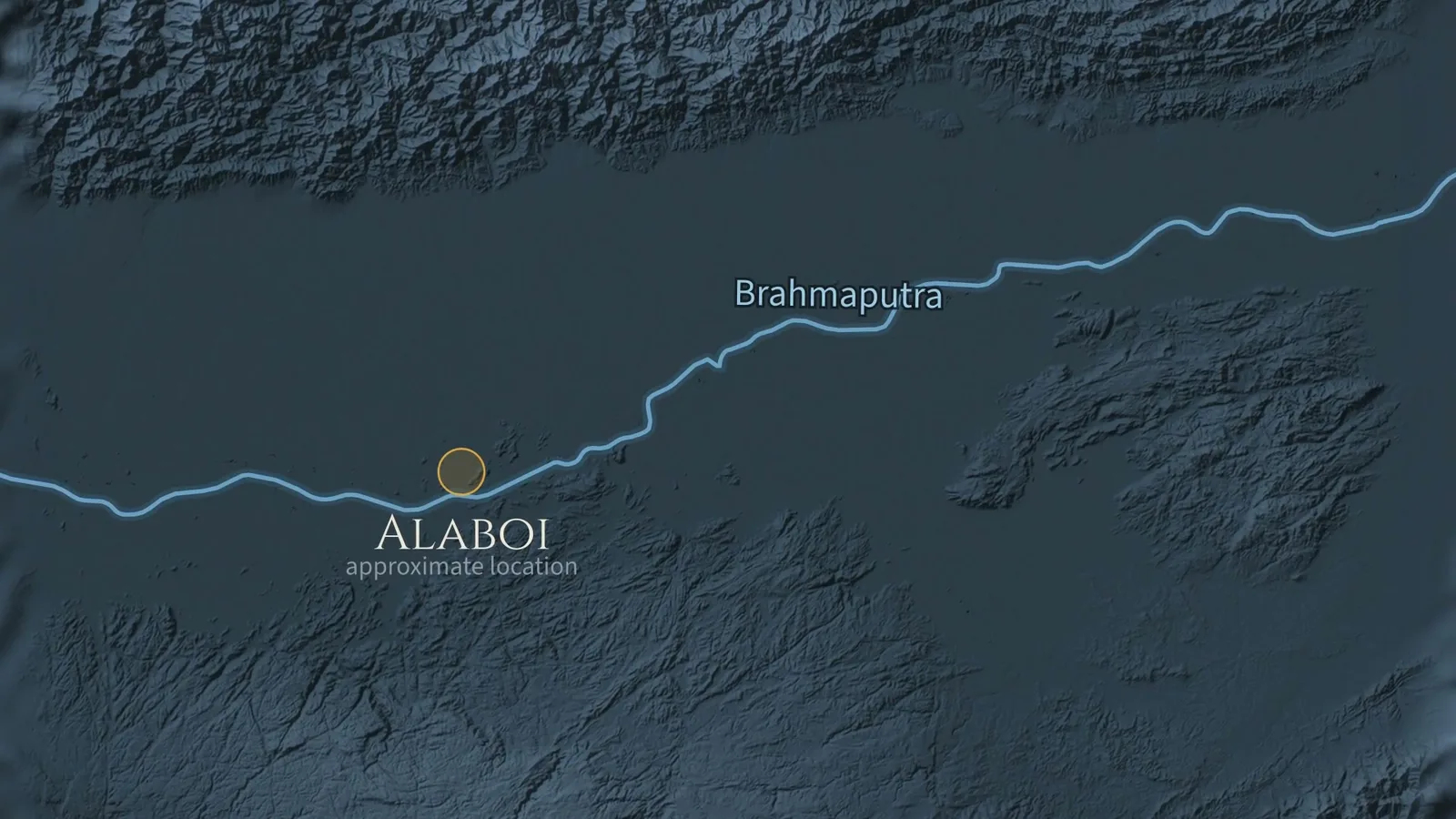
In 1669 a Mughal army routed an Ahom army in open battle and inflicted heavy losses1. The place was Alaboi, on the north bank of the Brahmaputra, near present-day Dadara in Kamrup district2. Two years later the Ahoms won at Saraighat, and Lachit did not forget the lesson of Alaboi3,4.
Guwahati retaken
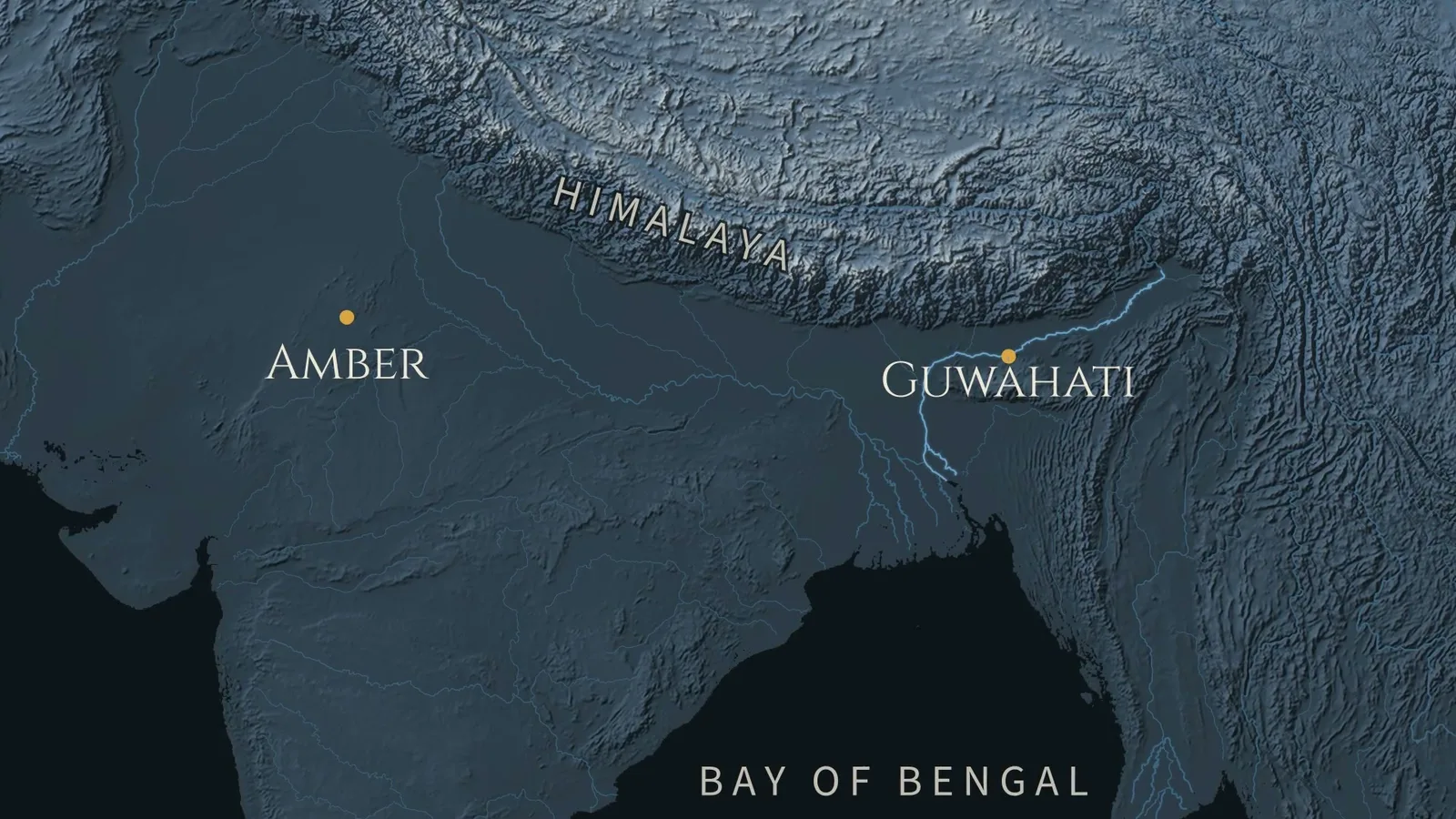
In 1667 King Chakradhwaj Singha, who had come to the throne in 1663, made Lachit, son of the Barbarua Momai Tamuli, Barphukan and gave him command of the army5,6. At the start of November that year the Ahoms captured Itakhuli and Guwahati after a siege of about two months7. The Mughals were driven back to the Manas river, and their governor, Firuz Khan, was taken prisoner8. When the emperor Aurangzeb heard of the loss of Guwahati in December 1667, he appointed Raja Ram Singh of Amber, son of Mirza Raja Jai Singh, to retake it9,10.
Lachit’s caution
The Ahom army was weak in open-field fighting against cavalry and avoided pitched battles with horsemen11. Before Alaboi, the Ahoms fought from their forts and made surprise raids on the Mughal camp12. According to the chronicles, Ram Singh, from his base at Alaboi, challenged the Ahoms to an open encounter13. It is said that he even challenged the Ahom king to single combat, offering to withdraw if he lost, and that the king refused14.
Ram Singh also tried to sow distrust. He shot an arrow-letter claiming that Lachit had taken a bribe of one lakh rupees, and the prime minister, Atan Burhagohain, vouched for Lachit15.
The king’s order
King Chakradhwaj Singha was at the capital, Garhgaon, and messages passed between him and his commanders at Guwahati16. According to the chronicles, the king grew impatient at Lachit’s caution and ordered an attack, and Lachit warned that it was like throwing a stone into a hornets’ nest17. According to the chronicles, the king even sent Lachit slave girls’ garments and a handful of axes, threatening the commanders if they did not fight18.
The battle
The battle was fought on about 5 August 166919. In its first phase the Ahoms routed a Mughal detachment under Mir Nawab and captured him20. Ram Singh then sent his Rajput horsemen against the Ahom army as it returned to its forts, and the Ahoms could not stand the charge21. About 10,000 Ahom soldiers were killed by the Rajput cavalry22. Lachit and his senior commanders watched the battle from a distance rather than fighting in the line23.
After Alaboi
Historian S. K. Bhuyan judged that Alaboi was a heavy loss but did not give the Mughals a decisive advantage24. King Chakradhwaj Singha died in 1670, during the war25. In early 1671 the two sides met again, on the Brahmaputra near Guwahati, and after the Battle of Saraighat Ram Singh retreated4. When he did, Lachit refused to attack the retreating army, citing the lesson of Alaboi3.
What is uncertain
- The size of the armies. Estimates vary, but no figure for Ram Singh’s main army can be settled from the sources26. According to the chronicles, the Ahom force numbered about 40,000, and Lachit made Ram Singh believe it was only 20,000, so Ram Singh sent only 10,000 men under Mir Nawab27.
- The chronicles’ stories. Assamese chronicles claim that a woman warrior, Madanavati, led the Mughal vanguard, broke several Ahom lines and was shot dead on the bank of the Brahmaputra28. According to the chronicles, the Ahoms also dressed their archers and musketeers as Brahmans and placed them at the front of their lines29.
- Lachit’s face. No contemporary portrait of Lachit is known; one old chronicle describes his broad, moon-like face30.
On the map
Timeline
- November 1667 Ahoms retake Guwahati
- December 1667 Aurangzeb sends Ram Singh
- 5 August 1669 Battle of Alaboi
- 1670 Death of Chakradhwaj Singha
- March 1671 Battle of Saraighat
Narration
Read what the video says
Before Saraighat, the Ahom kingdom suffered a devastating defeat. The battlefield was Alaboi.
In 1667, Lachit Borphukan's forces drove the Mughals out of Guwahati. Emperor Aurangzeb sent Raja Ram Singh of Amber to take it back.
Lachit avoided open battle. He relied on forts, local terrain and surprise raids, because Ram Singh's cavalry ruled the open ground.
But according to the chronicles, the Ahom king, Chakradhwaj Singha, grew impatient and ordered his army to attack.
Around 5 August 1669, on the plain below Alaboi hill, north of the Brahmaputra, the Ahoms won the first clash. Then Ram Singh sent in his Rajput cavalry.
Assamese chronicles record around ten thousand Ahom soldiers killed in a single day.
The lesson was not forgotten. In 1671, Lachit fought the Mughals on his own terms, on the Brahmaputra, at Saraighat.
Notes
Each number in the text leads here: the fact, how well it is supported, and where it is written. How we grade the evidence.
- In 1669 the Mughals routed an Ahom army in open battle, inflicting heavy losses. Verified: two independent sources agree Gait (1906), p. 149 (approx.); Bhuyan (1947), p. 69 (approx.) ↩
- The battle took place near present-day Dadara (village Pacharia, Kamrup district), on the north bank of the Brahmaputra. Supported: one solid source Administration; Gogoi (1968), p. 728 (approx.) ↩
- In 1671 Lachit refused to attack the retreating army, citing the lesson of Alaboi. Supported: one solid source Bhuyan (1947), p. 86 (approx.) ↩
- The Battle of Saraighat was fought on the Brahmaputra near Guwahati in early 1671, after which Ram Singh retreated. Verified: two independent sources agree Sarkar (1928), p. 190 (approx.); Gait (1906), p. 150 (approx.) ↩
- Chakradhwaj Singha became Ahom king in 1663, after Jayadhwaj Singha's death. Verified: two independent sources agree Sarkar (1928), p. 185 (approx.); Gait (1906), p. 144 (approx.) ↩
- Lachit, son of the Barbarua Momai Tamuli, was made Barphukan and given command of the army in 1667. Verified: two independent sources agree Gait (1906), p. 146 (approx.); Bhuyan (1947), p. 24 (approx.) ↩
- The Ahoms captured Itakhuli and Guwahati at the start of November 1667, after a siege of about two months. Verified: two independent sources agree Bhuyan (1947), p. 27 (approx.); Sarkar (1928), p. 186 (approx.) ↩
- The Mughals were driven back to the Manas river and their governor Firuz Khan was taken prisoner. Verified: two independent sources agree Sarkar (1928), p. 186 (approx.); Gait (1906), p. 147 (approx.) ↩
- When Aurangzeb heard of the loss of Guwahati in December 1667, he appointed Raja Ram Singh of Amber to retake it. Verified: two independent sources agree Sarkar (1928), p. 187 (approx.); Gait (1906), p. 148 (approx.) ↩
- Ram Singh was the son of Mirza Raja Jai Singh of Amber. Verified: two independent sources agree Sarkar (1928), p. 187 (approx.); Bhuyan (1947), p. 33 (approx.) ↩
- The Ahom army was weak in open-field fighting against cavalry and avoided pitched battles with horsemen. Verified: two independent sources agree Sarkar (1928), p. 151 (approx.); Bhuyan (1947), p. 65 (approx.); p. 63 (approx.) ↩
- Before Alaboi, the Ahoms fought from their forts with surprise raids on the Mughal camp. Supported: one solid source Bhuyan (1947), p. 57 (approx.) ↩
- Ram Singh, from his base at Alaboi, challenged the Ahoms to an open encounter. Supported: one solid source Bhuyan (1947), pp. 65-66 (approx.) ↩
- Ram Singh challenged the Ahom king to single combat, offering to withdraw if he lost; the king refused. Verified: two independent sources agree Gait (1906), p. 149 (approx.); Bhuyan (1947), p. 64 (approx.) ↩
- Ram Singh tried to sow distrust by shooting an arrow-letter claiming Lachit had taken a bribe of one lakh rupees; the prime minister Atan Burhagohain vouched for Lachit. Supported: one solid source Bhuyan (1947), p. 64 (approx.) ↩
- King Chakradhwaj Singha was at Garhgaon, and messages passed between him and his commanders at Guwahati. Supported: one solid source Bhuyan (1947), p. 63 (approx.) ↩
- The battle was fought because the king, impatient at Lachit's caution, ordered an attack; Lachit warned it was like throwing a stone into a hornets' nest. Supported: one solid source Bhuyan (1947), p. 65 (approx.); Gogoi (1968), p. 728 (approx.) ↩
- To force an attack, the king sent Lachit slave girls' garments and a handful of axes, threatening the commanders if they did not fight. Supported: one solid source Bhuyan (1947), p. 65 (approx.) ↩
- The battle was fought on about 5 August 1669 (20 Sravan, Saka 1591). Supported: one solid source Administration; Gogoi (1968), p. 730 (approx.) ↩
- In the first phase of the battle the Ahoms routed a Mughal detachment under Mir Nawab and captured him. Supported: one solid source Bhuyan (1947), p. 67 (approx.); Gait (1906), p. 149 (approx.); Gogoi (1968), p. 728 (approx.) ↩
- Ram Singh then sent his Rajput horsemen against the Ahom army as it returned to its forts, and the Ahoms could not stand the charge. Supported: one solid source Bhuyan (1947), p. 68 (approx.); p. 69 (approx.); Gogoi (1968), p. 728 (approx.) ↩
- At Alaboi, near Dalibari on the plain between the Brahmaputra and the Sessa river, about 10,000 Ahom soldiers were killed by Rajput cavalry. Supported: one solid source Bhuyan (1947), p. 65 (approx.); p. 69 (approx.); p. 158 (approx.); Administration; Gogoi (1968), p. 728 (approx.) ↩
- Lachit and his senior commanders watched the battle from a distance rather than fighting in the line. Supported: one solid source Bhuyan (1947), p. 67 (approx.) ↩
- Alaboi was a heavy loss but did not give the Mughals a decisive advantage. Supported: one solid source Bhuyan (1947), p. 70 (approx.) ↩
- King Chakradhwaj Singha died in 1670, during the war. Verified: two independent sources agree Bhuyan (1947), p. 74 (approx.); Sarkar (1928), p. 190 (approx.) ↩
- Size of Ram Singh's main army. Disputed: sources disagree Gait (1906), p. 148 (approx.); Sarkar (1928), p. 188 (approx.) ↩
- The Ahom force numbered about 40,000; Lachit made Ram Singh believe it was only 20,000, so Ram Singh sent only 10,000 men under Mir Nawab. Supported: one solid source Bhuyan (1947), p. 66 (approx.) ↩
- A woman warrior, Madanavati, led the Mughal vanguard, broke several Ahom lines and was shot dead on the bank of the Brahmaputra. Tradition: told as legend Bhuyan (1947), p. 66 (approx.); p. 67 (approx.) ↩
- The Ahoms dressed their archers and musketeers as Brahmans and placed them at the front of their lines. Supported: one solid source Bhuyan (1947), p. 66 (approx.) ↩
- No contemporary portrait of Lachit is known. One old chronicle describes his broad, moon-like face. Supported: one solid source Bhuyan (1947), pp. 21-22 (approx.); p. 22 (approx.) ↩
Sources
- E. A. Gait, A History of Assam (1906). public_domain_book · Read it
- S. K. Bhuyan, Lachit Barphukan and his Times (1947). scholarly · Read it
- Kamrup District Administration, Government of Assam, The Battle of Alaboi and the Battle of Saraighat (). institution · Read it
- Padmeswar Gogoi, The Tai and the Tai Kingdoms (1968). scholarly · Read it
- Jadunath Sarkar, History of Aurangzib, Vol. 3 (1928). scholarly · Read it
How this video was made
- Terrain: SRTM and GMTED2010 courtesy of the U.S. Geological Survey; ETOPO1, NOAA.
- Rivers and coastlines: Natural Earth (public domain).
- Narration: synthetic voice made with the open Kokoro-82M text-to-speech model.
- Music and sound effects: generated in code for this channel.
- 3D scenes: rendered with Blender (free, open source).
More from Season 1
 Season 1 · Episode 002
Lachit Borphukan — The Man Behind Saraighat
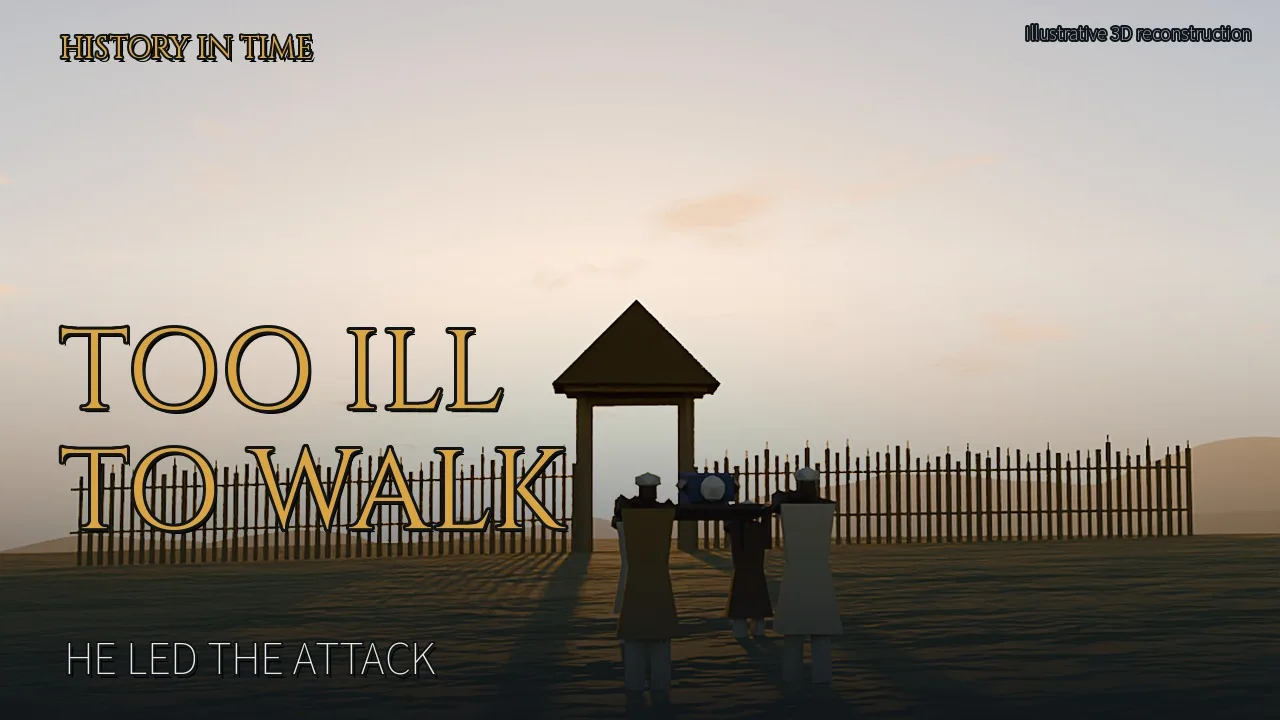
Lachit Borphukan: the Ahom commander who rose from his sickbed to lead the attack at Saraighat in 1671.
 Season 1 · Episode 003
Battle of Kohima (1944)
The Battle of Kohima, 1944: how Japan's offensive into India was turned back in the Naga Hills.
 Season 1 · Episode 004
The Ahom Kingdom — The Dynasty That Resisted the Mughals
The Ahom Kingdom: the dynasty that ruled in Assam for about 600 years, from Sukaphaa to the Treaty of Yandabo.
 Season 1 · Episode 005
The Battle of Saraighat (1671)
The Battle of Saraighat, 1671: how the Ahoms turned back a Mughal fleet on the Brahmaputra at Guwahati.
 Season 1 · Episode 006
Sukapha — The Prince Who Founded the Ahom Kingdom
Sukaphaa: the Tai prince who, the chronicles say, crossed the Patkai hills in 1228 and founded the Ahom kingdom.